Celebrating Asian Pacific Islander Heritage Month with Chef Kevin Tien
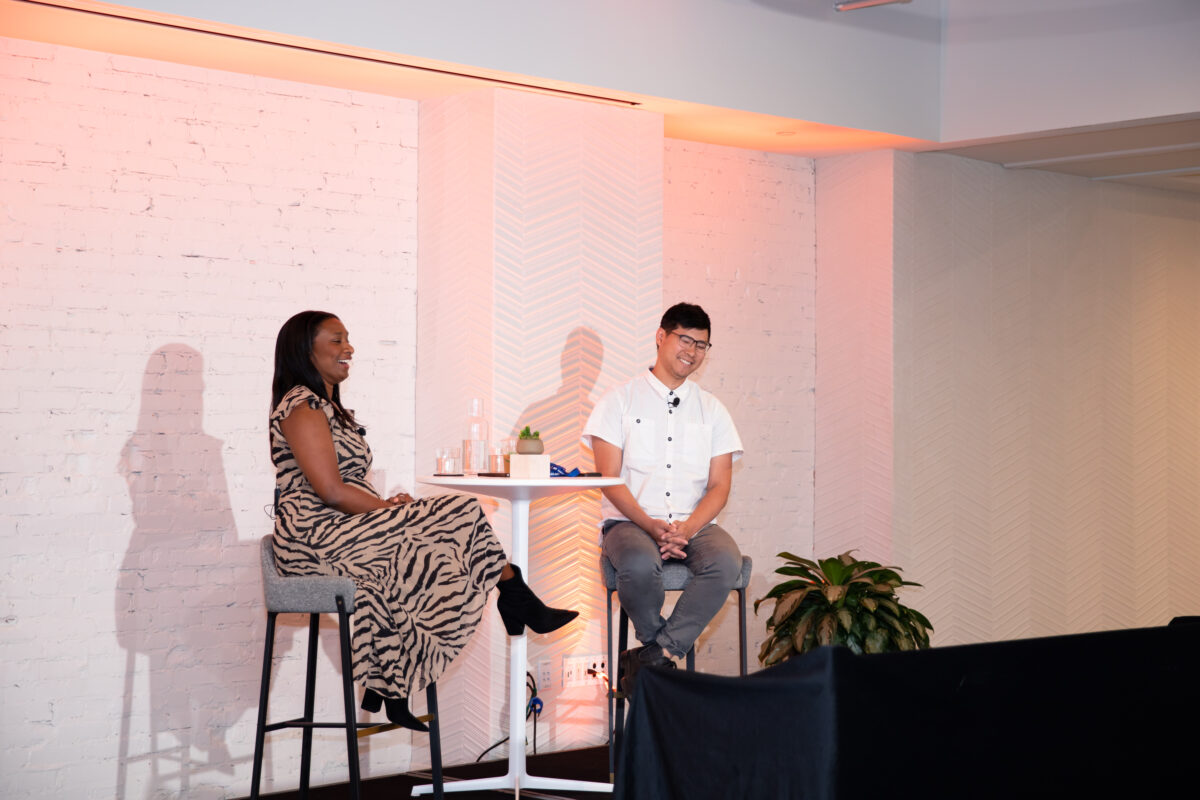
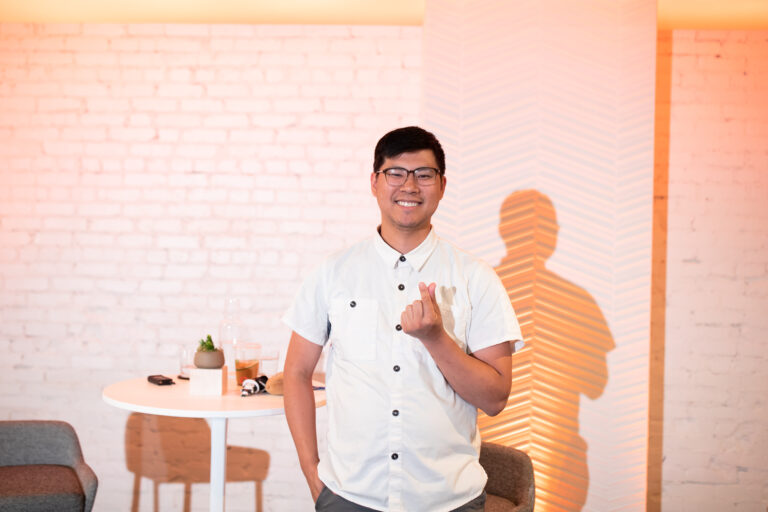
Posted May 25, 2023 By ConveneAsian Pacific Islander Heritage Month has been a time of celebration, reflection, and empowerment, highlighting the achievements and contributions of the API communities. As we recap the month's events, we had the honor of sitting down with Chef Kevin Tien, a renowned chef and culinary visionary, for a captivating fireside chat. In this interview, we delve into Chef Kevin's inspiring journey, his culinary style, his experience competing on popular TV shows, and his advocacy work through Chefs Stopping AAPI Hate.
This interview has been edited and condensed for length and clarity.
What inspired you to become a chef and when did you first realize that you wanted to go into culinary arts?
I think a lot of people don't know this about me. Even though I have pretty successful restaurants, I actually never went to culinary school. I have my finance degree from the University of Louisiana, and I also have a master's in statistical analysis from Louisiana State University. But really, to pay for college I always worked in restaurants – [in] high school, college and then afterwards. For me – maybe it's because I have a very short attention span – but I love the dynamic of working in a restaurant. Every day is very different for me. I have worked the 9-to-5, and I made really great money. But it just wasn't something I was passionate about. I think seeing the fruits of my labor in real time was something I really loved.
I love that. It’s so relatable to what our teams experience here at Convene. Tell us a little bit more about your culinary style. What are some of the key elements that you incorporate into your dishes?
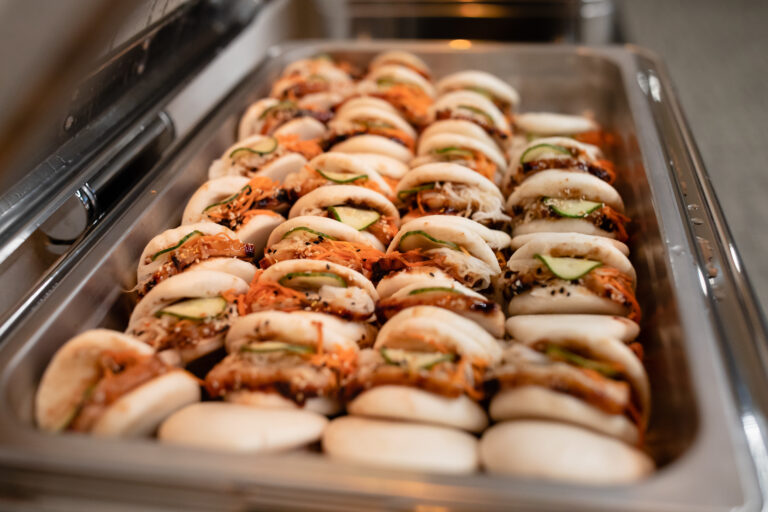
I've worked in various restaurants starting off with Japanese cuisine. I‘ve worked at restaurants that are Michelin star fine dining, farm-to-table, and sushi restaurants. For a short period of time I even worked in the food hall at [George Washington] University when I first moved to DC. I would say my style now, it took me a while to find it. But I’m really blending a lot of my background as a first-generation Asian American. You know, being in a military family, we moved around a lot. So you'll see influences from Louisiana, Hawaii, Seattle, California, and a lot of East Coast stuff now in my Vietnamese food. A lot of people say it's fusion. I just say it's like Asian American food.
How do you stay creative and inspired when you're creating new menus and dishes?
For me, staying creative is kind of having an open dialogue with not just my team, but also with other chefs in the city. I love the DC chef community. Everyone's so close. So we're constantly on our phone texting each other. It's like, “Hey, have you seen this?… What are you guys interested in? What do you want to learn?” I think it's very easy for me as a chef to be in a restaurant and say, “You know, this is what I want to do, and we're only doing this.” But I find if I do that I don't really grow that much as a chef. I love getting different perspectives on everything. One thing I always say is, “Let's just do it, figure it out.” I think that way, our food is constantly transforming.
Speaking of growth as a chef, you’ve been on a number of shows like Chopped, Iron Chef Gauntlet, and most recently, Bobby’s Triple Threat. Tell us about your experience competing.
You know, I've never thought of myself as someone that would do these kinds of shows. You kind of watch it, and you're like, “Oh, I can do that.” And now that I've done it a few times. I've won a couple episodes, I've lost a couple episodes, but it's a lot of fun. You meet a lot of really great people, and there’s a lot of great networking. It's cool to see the magic that happens behind the camera. and for those who do want to know: yes, the time limit is real. You do have to think on your feet.
Outside of those experiences, can you tell us about a moment in your career that you're most proud of so far?
There's just been a lot of great moments. I think my first restaurant, Himitsu, that I opened up with Carlie Steiner… I think our biggest moment was when we opened that restaurant. We only had a lease for six months, and the business plan was great. You'll love hearing this: we plan to lose money. You know, because we didn't know what we're doing. We're just two young kids doing the food and beverage that we wanted to do. We didn't plan for the restaurant to be as long-lasting as it was.
The first time we were nominated for James Beard, we got to go to Chicago as a finalist. You hear so much about how restaurants are mentally and physically taxing, but the moment that we got to share in this accomplishment together was probably my proudest moment. We closed the restaurant for three days. Fifteen of us went to Chicago, and we did it big, definitely maxed out the credit card on that trip.
You’ve also co-founded a nonprofit organization. Can you share what motivated you to start Chefs Stopping AAPI Hate?
There [are] a lot of ugly parts of our nation, right? I think the pandemic took the veil off even more. [We saw] a lot of the hatred and the violence to every marginalized community, and I think for me, being Asian, our family taught us to keep your head down and just worry about yourself. That's been kind of ingrained in a lot of our generation, but you know, that's not my style.
You see something, you say something. If you're able to do something, do something. I think it was hard because I didn't know what to do. I just called a lot of my chef friends, and we talked about it like, “Well, what are we doing right now? We're doing a lot of to-go food.” I was like, “Okay, everyone's ordering to-go because it's COVID. Let's make these really curated meals.” Everyone can still support the restaurants by purchasing these to-go packages. But also, we can raise money and donate to people who can foster change, to lobbying groups, to nonprofits that track a lot of the incidents going on, to a neighbor, to businesses or families that have been affected by different occurrences.
For me and the other chefs, we just wanted to do what was already in our wheelhouse. I think a lot of times when things happen you feel powerless, and you don't know what to do. I think everyone is able to do something. You just have to do what you do currently, and find a way to amplify it. So cooking is our thing, and one of the few things I'm good at, so that was it.
Can you share some of the current initiatives you’re working on and other ways that you all are promoting this work in the communities?
I've been really proud to see that our restaurant has become like a community gathering spot. A lot of times I think people just want a place to come and then celebrate or organize or do whatever. For me, I want our restaurant to be that space. It's not about the profit. It’s about building a community hub, and I think that's what makes a business last long-term. We're just trying to give back wherever we can. If we can’t do it financially, we can at least offer up something physical like space.
One of our team members this month, she couldn’t find a place to do a cocktail class. So I was like, “Well, why don’t you do it at the restaurant?” She was like, “How much is it to rent a room?” I was like, “Nothing. Just do it. You just had to ask.” That’s probably the hardest part. And I think a lot of times people are worried about asking others because they feel like it's a burden, or they don't think the answer would be yes. I think asking never hurts.
Given that May is also Mental Health Awareness Month, how do you balance the work that you're doing within the community, the two restaurants, and your personal life?
I'll give everyone the real answer to this. During the month of May, I actually don't balance things very well. But I think that's okay. I think everyone has a different way to manage the stress and the workload.
For me, I'm okay with overloading myself. I always want to do as much as I can specifically in a month where there is a lot of focus and attention on the API (Asian Pacific Islander) community, and we can make a really huge impact. So I'll say yes to everything because I think everything pays off in the long-term.
What do you think first-generation Asian Americans can do to best amplify and support each other in business as well as in the community?
I think a lot of times – whether it's API Heritage Month or Black History Month – everyone just supports those businesses during that month. You know, there are 11 other months in the year. I think you have to support everything throughout the whole year. It can't just be like, “I'm only doing this in February, or I'm only doing this in May.” You should be supporting these things every day, 12 months out of the year. And if you're not going there, you need to talk about it, tell your friends where they should go eat, vocally support these restaurants and support these businesses. Not just like, “What are your favorite Asian restaurants or what are your favorite Black restaurants?” The conversation needs to be like, “What are your favorite restaurants in general?”
What advice would you give your younger self?
My advice to myself would be to say yes to everything because you don't know what opportunities to say yes to. But I also would say really know what you bring to the table, like your self-value. I think a lot of people don't value themselves enough. [They] don't give themselves enough credit for what they do, and I think once you realize your full potential and your worth, a lot of other things suddenly open up for you.
Chef Kevin Tien's journey in the culinary world, from his unique path to his advocacy work, serves as an inspiration to aspiring chefs, entrepreneurs, and community leaders. His commitment to embracing diverse perspectives, fostering a sense of community, and making a positive impact on society is a testament to his passion and unwavering spirit. As we build on our mission to be an impactful and purpose-driven company, we at Convene are proud to support and amplify the voices of trailblazers like Chef Kevin Tien. To learn more about our own efforts in creating a positive impact, visit our Impact page.