Event Planning Is One of the Most Stressful Jobs in the World
Posted January 18, 2018 By ConveneUpdated October 10, 2023
What would you guess are some of the most stressful jobs in the world?
I’d bet you can guess a few of them: military member, surgeon, police officer, paramedic.
But did you know that event planner is also considered one of the most stressful jobs out there?
Event planning was listed as the third most stressful job in 2023 by World Scholarship Vault. Event planning jobs were ranked below only military service and home health aide in terms of stress and was listed as a higher-stress job than teacher, first responder, taxi driver, and social worker.
The Occupational Information Network, or O*NET, provides occupation-specific data for U.S. jobs - including work requirements, education and experience requirements, and work styles. One of the work styles listed is stress tolerance - or a “job [that] requires accepting criticism and dealing calmly and effectively with high-stress situations.” In its ranking of 873 jobs that require the highest levels of stress tolerance, O*NET lists meeting, convention, and event planners near the top, with a stress tolerance level of 95 out of 100.
The job site Zippia also included event planner in its list of the seven most stressful jobs of 2023. They ranked it as the sixth most stressful job, citing reasons like heavy workload, unpredictable time requirements, and working with difficult clients. Zippia listed the average annual salary for event planners as $51,542.
Event coordinators, we can do better! That’s not a list we want to be on. Let’s take some of those common stressors and discuss some realistic solutions.
Here are three primary stressors we face and suggested shifts we can make to help raise the consciousness of event coordinators and make our way off the list of most stressful jobs in years ahead.
Stressor: Communication
As event coordinators, we serve as the conduit of information between the client or host organization, speakers (often VIPs), participants, vendors, and event staff. Stress creeps in as we work to meet the expectations of every stakeholder and ensure that the planning process does not devolve into a game of telephone. Event planners know we're responsible for synthesizing everyone’s ideas to achieve the overall vision. This leads to a heightened sense of vigilance, organization, and possibly, the need to “control” the process.
Attitude Shift: Communicate Dynamically
Communication can break down when our expectations do not match the outcome. Before planning begins, instead of expectations, co-author agreements. Agree on “who’s who” and collaborate within your work group to define responsibilities for every stakeholder. Once the agreement has been outlined, share it internally and externally with vendors and partners. As the planning begins, consider the most effective method to relay messages or information, be it a phone call, e-mail, or in-person meeting. No matter the method of communication, sharpen your listening skills to prevent a breakdown in the communication process. With collaborative agreements made early on, the work group will be proud to do their part and effectively bring the vision of the event to life.
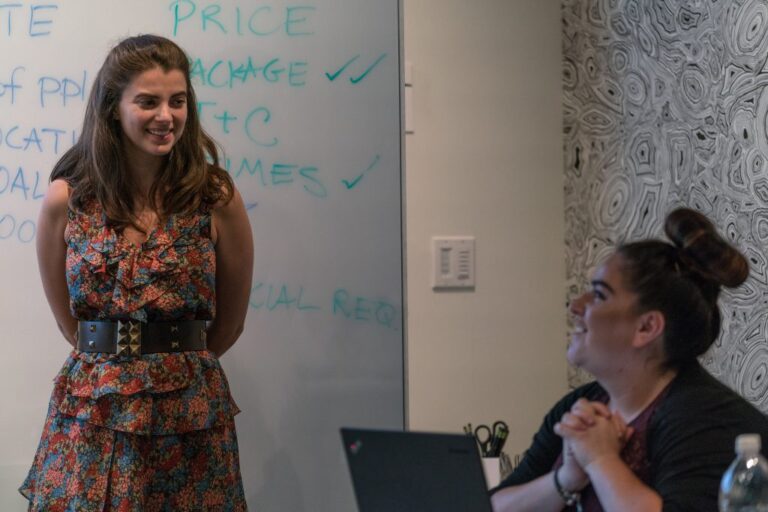
Communication breakdowns can sour any coordinator/client relationship.
Stressor: Physical Demands & Deadlines
You have been planning for weeks, months, or maybe even up to a year. As the planner, you have calculated the risks, walked the space, coordinated the setup, selected the menu, curated the content, drafted the agenda, rehearsed the content, and tested the A/V. You intimately know every detail and now, it’s time to roll.
Event coordinators are often the primary point of contact on the day(s) of the event. Stressful elements here include the need to always be “on” and hyper-vigilance. Perhaps the largest contributor, however, is time. Planners are often the first ones in and the last ones out, resulting in 12 to 16-hour work days.
During that time, planners may not have the opportunity to eat or sit down.
Attitude Shift: Build Relationships
Dynamic communication is your entrée into building relationships. Rally a team that can support you on event day. Companies like Convene offer on-site Production and Service Managers that act as an extension of your events team. Building partnerships, letting people in on the day’s plan, and delegating will allow you to work smarter and focus on self-care so you can do a better job. Tag in a volunteer while you eat lunch, and have someone remind you to hydrate. And always sit when you can.
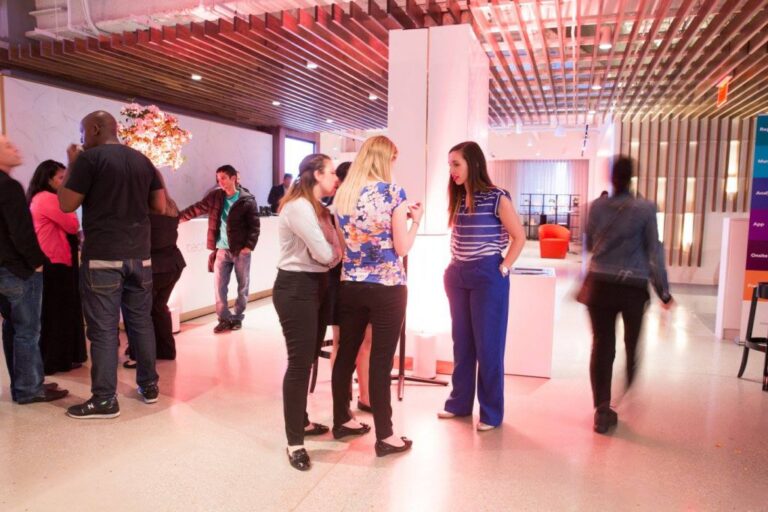
Events move fast, and event coordinators must move even faster.
Stressor: Inner Critics
Due to the nature of the role, event planners may be hyper-achievers, perfectionists, controllers or a combination of the three. We're meticulous and appreciate that every detail counts. These traits are highly valued in the role but, when left unchecked, can sneakily become self-sabotaging. If our goal as planners is to ultimately produce a transformative event—and, as a planner, writing this next phrase is uncomfortable—how important is the minutiae? Is it necessary to adjust the chairs by three degrees or completely edit and reprint the agenda for a minor spacing issue? How are our inner critics like perfectionism, hyper-achievement and hyper-vigilance holding us back?
Attitude Shift: Develop Self-Awareness
Our inner critic (what I call a “Gremlin”) is that little voice inside of our head that holds us back just when we are on the brink of greatness. Often, a thought, feeling, or action that has served us well in the past may in truth become our Kryptonite. Your Gremlin will often cause you to act differently in stressful situations (like event day). Self-awareness is one of the greatest qualities in a leader—build this muscle and kick your inner critic to the curb! When we find ourselves in moments of stress we can ask ourselves “How is this holding me back?” or “How is this serving the goal of the event?” Self-awareness will give you the power of choice in stressful event situations.
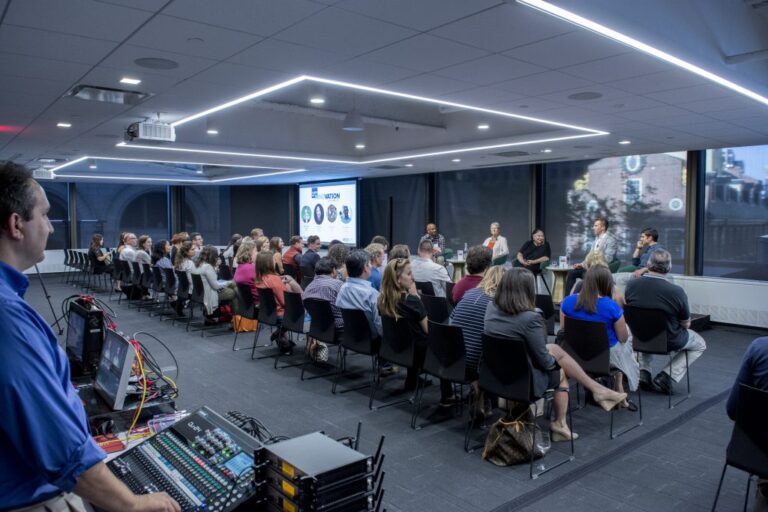
Sometimes the most critical eye is our own.
Change Your Habits Before You Burnout
Stress is a surefire way to event planning burnout. When we explore the root causes of work stress, we open ourselves up to more opportunities and longevity in our roles. Event planning is a fun, exciting, and fulfilling career—after all, we are in the business of helping people make memories. So let's try to make a few attitude shifts and all work to raise our self-awareness so we can try to get our stress rank down. I’d much rather see us on a list of low-stress jobs, than the most stressful, wouldn’t you?
Looking to take some stress off of planning your next event? Learn more about how Convene’s dedicated staff and premium event spaces can help you host your next corporate event.
Make your next event extraordinary.
Make event planning easier with Convene's beautifully designed venues and premium event services.