Member Spotlight: Education Reimagined - A Nonprofit With A Vision and A Mission to Transform the Public Education System in the U.S.
Posted April 5, 2023 By ConveneAt Convene, we recognize that our vibrant community of exceptional individuals and companies is integral to our success. That's why we are thrilled to share the latest edition of our Member Spotlight, the series that celebrates those who inspire others with their exceptional work.
Organization: Education Reimagined
Member: Monica Snellings
Location: 600 14th Street NW, Washington, D.C.
Education Reimagined is a nonprofit organization on a mission to catalyze the invention of a brand new public education system. The organization was formed in 2013 as part of an initiative to bring ideologically diverse educators, parents, business leaders, and advocates together to start a dialogue about how to transform the current system. Out of those conversations emerged Education Reimagined. In the years since, the organization has worked with thousands of cutting-edge education leaders, all working to invent and spread structures to make learning relevant and accessible to children all across the country.
We spoke with Monica Snellings - Vice President of Communications - about working for an organization with a transformational vision, challenging the status quo, and how public education is a lot like a pizza box.
How did Education Reimagined come about?
We were a project within the Convergence Center for Policy Resolution, a nonprofit that deals with issues of national tension. They bring people together from all different points of view to have guided conversations to surface brand new ways of looking at things, or a new solution to a gnarly problem. Education was one of [those issues]. Together, these organizations formed a vision, which is what launched us as an organization. Now, 10 years later, we are actively creating communities and advocating for advancing different parts of the vision.
What is your organization’s vision?
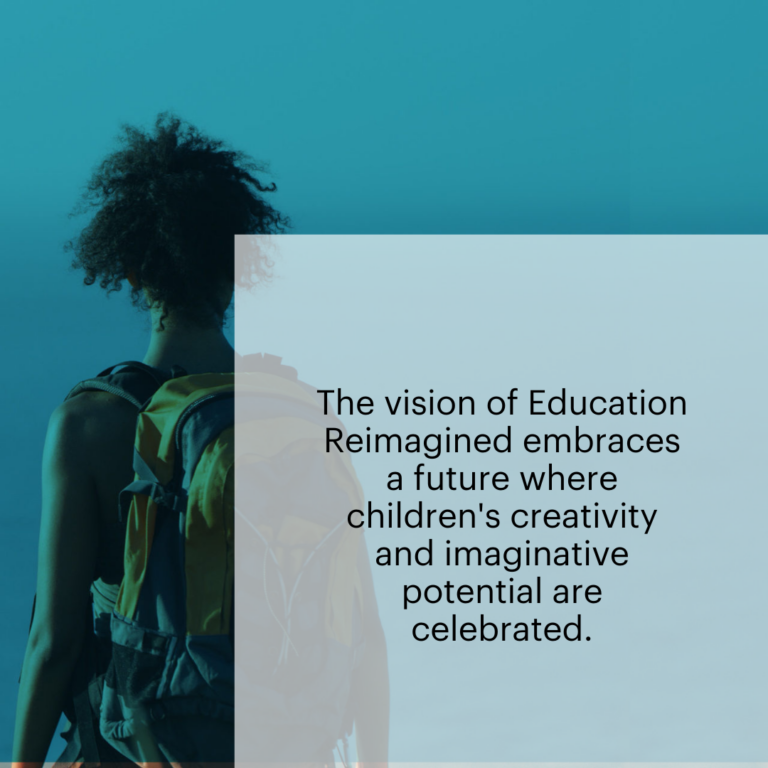
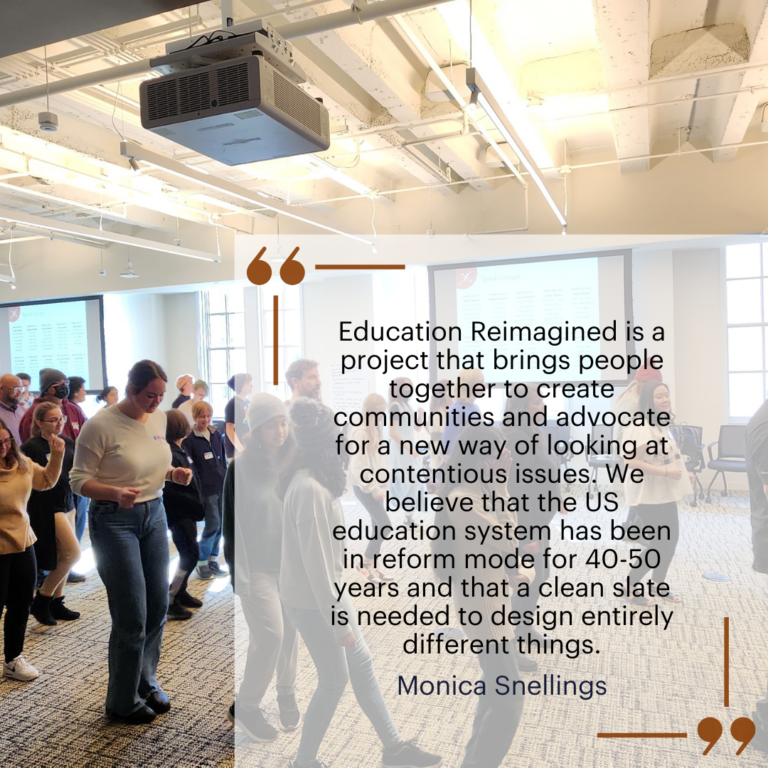
The education system has been in "reform mode" in the United States for 40, 50 years, and the more people try to reform it, by trying to fix aspects of the system, the worse it gets. So our view is, we just need a clean slate. If we were to start with [the question], “What is the purpose of education?” and go from there, you would design entirely different things.
I read a funny article about the pizza box, and it said something like, “Since the construction of this corrugated vessel, humanity has landed on the moon, rolled out the internet, created cell phones, and invented combination air fryer Instant Pots.” And the box has stayed the same. You could say the very same thing about education. Since it was established in the early 1900s, nothing much has changed, right? It was very literally designed to provide industrial compliance in factory workers. That’s not the world we live in anymore… Lots and lots of people – very heroically – have put good effort into it, and we're still largely where we were over a century ago.
So what sort of work do you do?
Our work is about advancing an entirely new vision for education. We do that largely through bringing different stakeholders together. One of our big powers as an organization is as a “convener.” So Convene is actually a perfect place for us. We've made good use of all the spaces, from large meetings to smaller meetings to whatever we need.
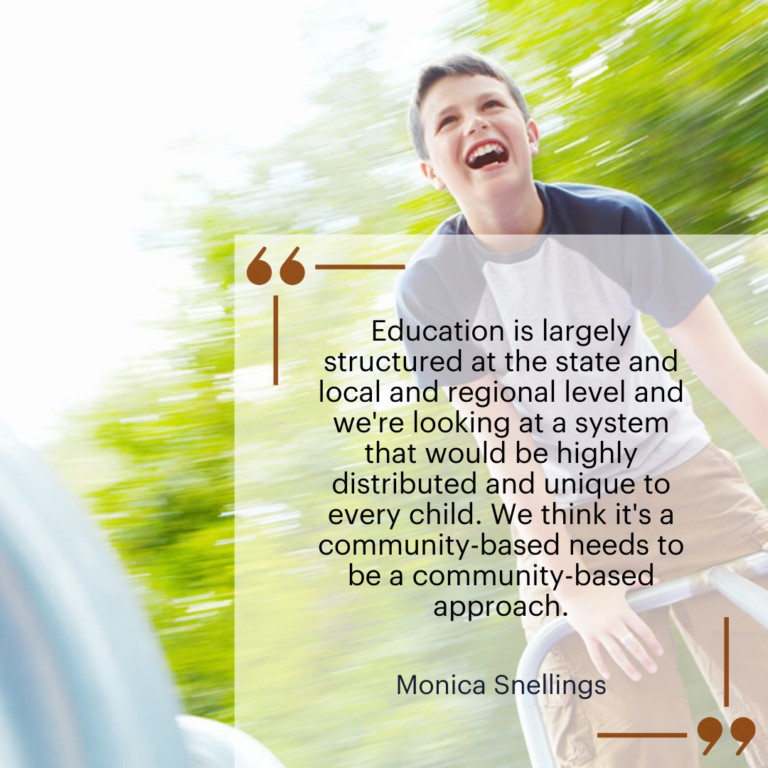
Our aim right now is to launch pilots and demonstrations at the local level so that people can touch and feel what the future could look like. Right now, everyone holds in their mind – whether you realize it or not – school is one thing and it means a certain thing. Everyone, based on their own experience, has a very specific idea of conventional "school." Our vision of learning is quite different from what most people imagine. And we're aiming at a system that would be highly distributed and unique to every child.
How would you go about building that system?
We think it needs to be a community-based approach. The community is a playground for learning. And all kinds of other organizations can contribute – like the museums, the cultural institutions, the sports venues. Everything can be a part of learning. And it actually already is, but it's not currently an intentional and official part of public education.
All the after-school organizations actually have an advantage in engaging young people because they're an opt-in, and they have to attract young people or else [kids] won't keep showing up. The Girl Scouts and 4-H Clubs and the youth orchestras – they know how to make learning relevant and entertaining to young people because they want them to come back, and they often have deep relationships with the children and their families. They understand who this young person is and circumstances that they might be dealing with in their lives.
So you all are bringing people together to create a vision and then building pilot programs to take out into communities?
Exactly. And these pilots are being developed as inventions for us to generate a lot of learning about what's possible - with the ultimate goal of what we call learner-centered education becoming available to every child in the United States. Before the pandemic, we thought there was a chance that you would – district by district – innovate your way and iterate your way towards a new system. But because of Covid, things that we thought we couldn't do in a million years, all of a sudden, were immediately right there. In the crisis, families created new pods. They created new ways of learning. People used online in a way that they never had before. None of it was perfect, right? But it showed it was absolutely possible.
How have things changed since the pandemic ended?
What we see right now is that the conventional system is so strong. It's like this huge, giant rubber band that is just pulling back to the conventional ways. What's missing for people is they just can't see [an alternative]. And so the pilots and the demonstrations are what we are actually really aiming for in the next three to five years.
Our goal is to stand up enough pilots in enough parts of the country with enough diverse populations and communities – rural, urban, suburban – so that people can say, “Hmm, yeah, okay, it could look like that, and I want that as an option for my child.”
You can't push a button and have it turn over automatically, so it will have to be opt-in, and over time, adoption. But what we're wanting now is just the space and the freedom to do this. That takes some work and a lot of different kinds of people at a lot of different locations in the system.
Are there any big wins from this past year?
We almost doubled our staff last year, adding new capacities in policy, programming execution, and communications. We're feeling really great about having a base to launch into the next phase of our work.
Any exciting plans on the horizon?
We’re taking the visionary work from the past eight years and helping to bring it all to life. We’re entering into a new phase of partnership with organizations and communities to formalize the infrastructure that will turn communities themselves into schools so learning lives everywhere. Along the way, we’ll build and gather core learnings from these initial efforts that we'll share. We imagine the community-based ecosystem approach will spread quickly to other communities once up and running. That’s the ambition, anyway!
How did your organization find Convene?
During the pandemic, we were in an office. We were co-located with the organization that had launched the project. And our lease ran out. We started looking like, “Okay, at some point we think this pandemic thing's gonna be over, and we're going to want to be back together.”
How has the experience been so far?
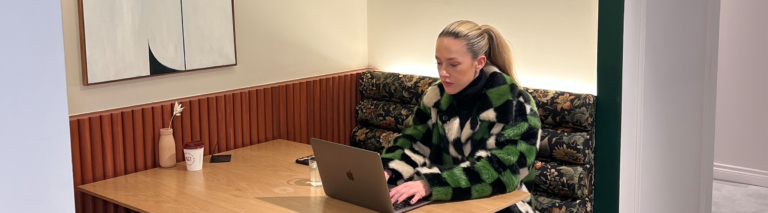
We have a certain way of operating. And the Convene space was a match for that. If you go to the other co-working spaces, they're teeny tiny. They’re cramped. When we found Convene, we were really, really excited. I actually worked with one of your designers to design the space and brand it for us. It was a fun project.
Since then we've been there. It’s convenient. It's near the Metro and centrally located.
How have you utilized the space?
We’ve used the meeting spaces, the hoteling spots, the little small rooms, we go up on the roof. When we hosted our group of young people, we did an open mic night up on the roof. We’re talking kids 13-18, from all over the country. They didn't know each other before they showed up, and two days later, they're best friends. It was really fun.
How many people are in the office?
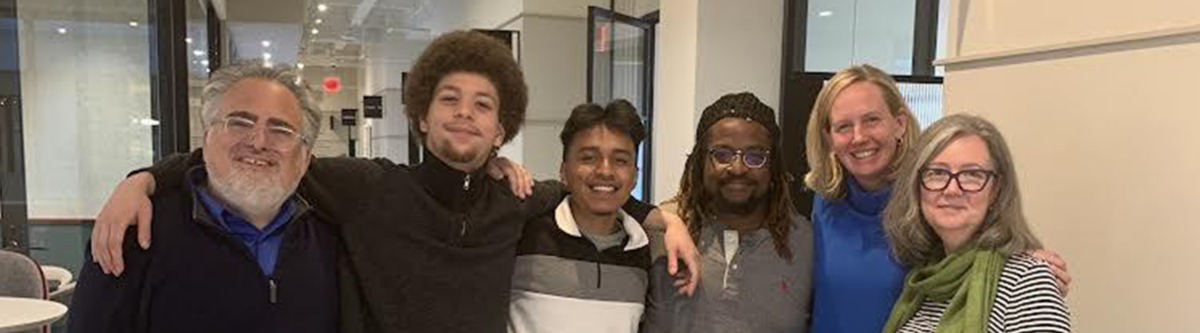
We have a little interior office and then, I think 12 members.. Because we're so distributed, we mostly have about six or seven people here in D.C. now. We bring everybody across the country together for quarterly meetings, which is great to have the other space available because we probably can't all fit into the single space now.
I like it. I enjoy it. The light is pretty, the space is pretty, the furniture's cool. You know, all that good stuff.
Since moving to Convene, have you seen any tangible benefits, from a business perspective?
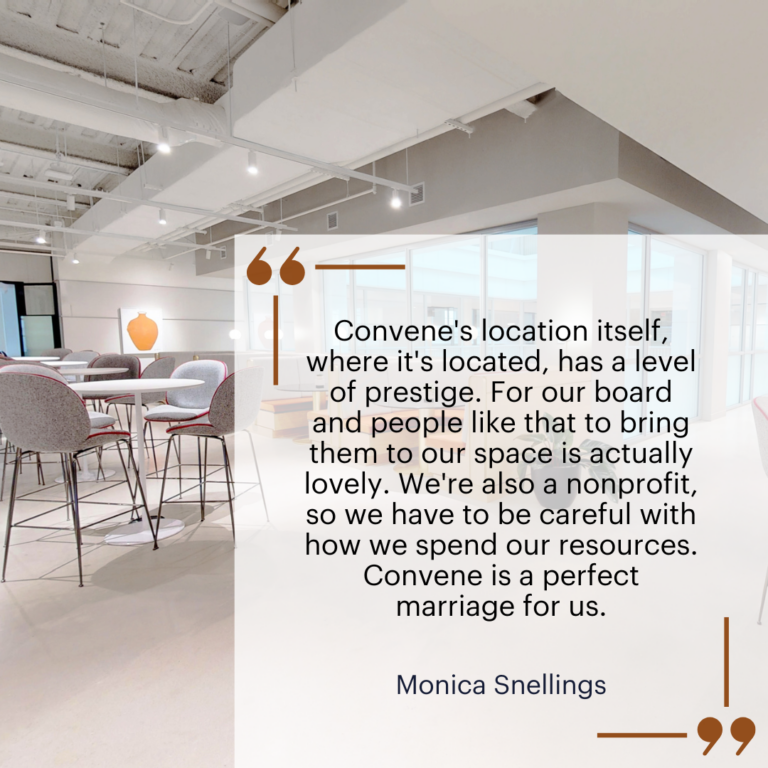
The location itself has a level of polish, and I guess, prestige. We’re proud to bring VIP guests, including our Board to it. As a nonprofit, we have to be careful with how we spend our resources. And this is perfect. This is a good marriage. The quality is lovely, and financially, it's a very smart choice.
Do you have a favorite spot in the space?
I will tell you this: the little phone booths – [I’m] shocked how comfortable those are. I love to go in there and have conversations. It feels good in there. Another one of my colleagues has said the same thing. It’s really oddly comforting in there.
For more information on Education Reimagined, including ways to support the nonprofit, you can check out their website.
Curious to know more about what it’s like to work at a Convene space? Head over to our WorkPlace solutions page. And please feel free to connect with us directly if you’re ready to join our Membership Community.
We’re here to help you be your best. Work extraordinary with Convene.